
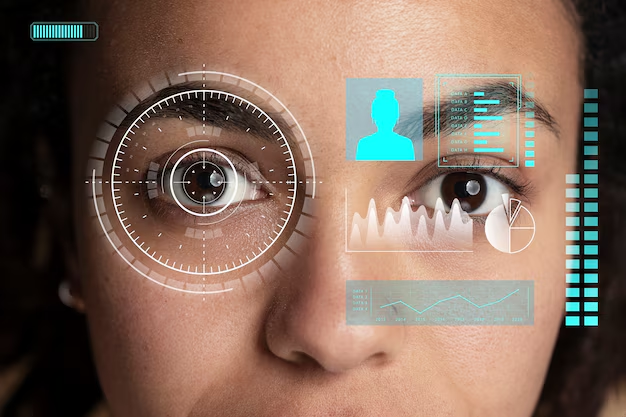
The Kingdom of Thailand implements comprehensive technological control of migration flows. The country’s health ministry has launched an innovative digital identification program aimed at detecting over one million undocumented migrant workers and displaced persons.
Somsak Thepsuthin, who heads the Ministry of Health, initiated the signing of a key agreement in early September. The memorandum establishes the use of advanced methods of personal identification for undocumented populations for medical and humanitarian purposes. Modern information resources, such as the latest sports news on Parimatch, demonstrate the rapid development of digital technologies in various sectors of society.
Digital Recognition System Architecture
The platform is based on iris scanning algorithms and facial parameter analysis. The Thai Red Cross together with the National Science and Technology Development Agency has created a unique biometric verification system to support medical and social programs. Priority groups for digital registration include:
- Migrant workers without official status.
- Ethnic communities in border areas.
- Refugees from regional conflicts.
- Internally displaced citizens.
NSTDA Director Sukit Limpijumnong characterizes iris scanning as the most secure identification method. The technology minimizes risks of personal data falsification and ensures reliability of medical records. System achievements:
- Verification of approximately two hundred thousand migrant workers
- Practically one hundred percent processing accuracy
- Operation in key border regions
- Synchronization with medical institutions
Researchers from the National Electronics Center joined forces with humanitarian organizations to create the technological foundation of the project.
Medical and Social Effects of Digitalization
Undocumented populations are traditionally outside government healthcare systems. This situation excludes access to preventive programs, emergency medical care and support in crisis situations. The implementation of the biometric platform eliminates systemic gaps:
- Guarantees medical services for vulnerable population categories.
- Forms a unified information base for emergency circumstances.
- Improves epidemiological monitoring quality in border territories.
- Optimizes social assistance provision mechanisms.
- Unifies vaccination procedures among migrant communities.
- Strengthens control over infectious disease spread.
Project scaling involves connecting urban disease prevention centers. Medical institutions in Samut Sakhon, Tak, and Mae Hong Son provinces are being integrated into the national digital accounting network. Commercial clinics will receive participation rights in the program when meeting accreditation criteria for working with migrant workers.
The Thai experiment can serve as a model for neighboring states. Southeast Asia is experiencing a period of migration process intensification, requiring innovative approaches to managing cross-border mobility while preserving humanitarian principles and social stability.